In the evolving world of premium goods and high end experiences, emotion plays a larger role than logic, especially when consumers explore brands such as lily arkwright. Modern luxury is shaped less by practicality and more by how a product makes someone feel. The emotional connection between the buyer and the item has become the true marker of value, and this shift explains why people increasingly choose luxury based on personal sentiment rather than pure function or investment potential.
Luxury has never been solely about utility, yet in earlier eras buyers often balanced emotional appeal with craftsmanship, scarcity, or status symbolism. Today the emotional element has become the primary driving force. Consumers look for items that tell a story about who they are or who they want to be. A ring, a handbag, or a tailored suit becomes a chapter in a personal narrative. This narrative is what transforms a purchase from a simple transaction into a meaningful experience. People are not just buying an object. They are buying identity, confidence, celebration, or belonging.
Another factor behind emotion-driven luxury purchasing is the growing desire for connection in a digital world. Many aspects of daily life now happen through screens, and this has intensified the need for tangible moments that spark joy or mark milestones. Luxury brands have adapted by creating products and experiences that resonate on a deeper level. They emphasize sentiment, heritage, craftsmanship, and personalization. The emotional value becomes more important than any technical specification because the feeling attached to the purchase lingers long after the moment of buying.
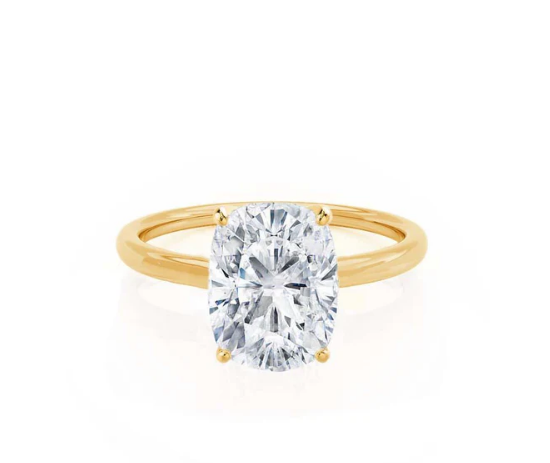
This emotional motivation is especially powerful when it comes to commemorating special occasions. Engagements, anniversaries, and personal achievements often inspire consumers to seek out luxury items that hold symbolic meaning. Buyers want pieces that serve as reminders of cherished memories. This extends beyond jewelry and into other sectors such as travel, fashion, and even technology. The emotional reward of the purchase enhances its perceived worth.
Social influence also plays a major role in shaping emotion-driven luxury buying. While traditional status symbols are still relevant, consumers today place greater emphasis on shared values and personal expression. People want luxury items that align with their sense of self and convey their individuality to others. The emotional satisfaction of owning something that feels authentic is far more influential than any desire for prestige alone. Luxury brands respond by crafting stories that resonate emotionally rather than relying only on exclusivity or high price points.
At the same time, younger consumers have redefined what luxury means. For them, luxury is not purely about rare materials or elaborate design. It is about meaning and experience. The emotional impact of a purchase often outweighs considerations such as long term practicality or resale value. This generation seeks fulfillment, inspiration, and connection in the items they choose. Luxury becomes a form of emotional well being rather than a symbol of financial status.
Ultimately, emotion-driven purchases dominate modern luxury because feelings are now the core language of premium consumption. When an item sparks positive emotion, the buyer perceives it as valuable, regardless of whether the value is material or sentimental. Luxury thrives in this emotional landscape because it offers the promise of beauty, memory, identity, and personal significance. As long as people continue to seek emotional depth in their purchases, luxury will remain a powerful reflection of the human experience.